Discover immigration attorney for entrepreneurs for experienced legal guidance for entrepreneurs expanding to the United States
Discover immigration attorney for entrepreneurs for experienced legal guidance for entrepreneurs expanding to the United States
Blog Article
All-Inclusive Immigration Law Options for Your New Experience
Maneuvering the complexities of immigration can be daunting for many individuals. Comprehensive immigration law services provide necessary support, guiding clients through the complex processes involved. From examining various options to preparing residency and citizenship applications, these services play an important role in achieving immigration goals. However, many still face challenges along the way. What are the most common obstacles, and how can one effectively overcome them?
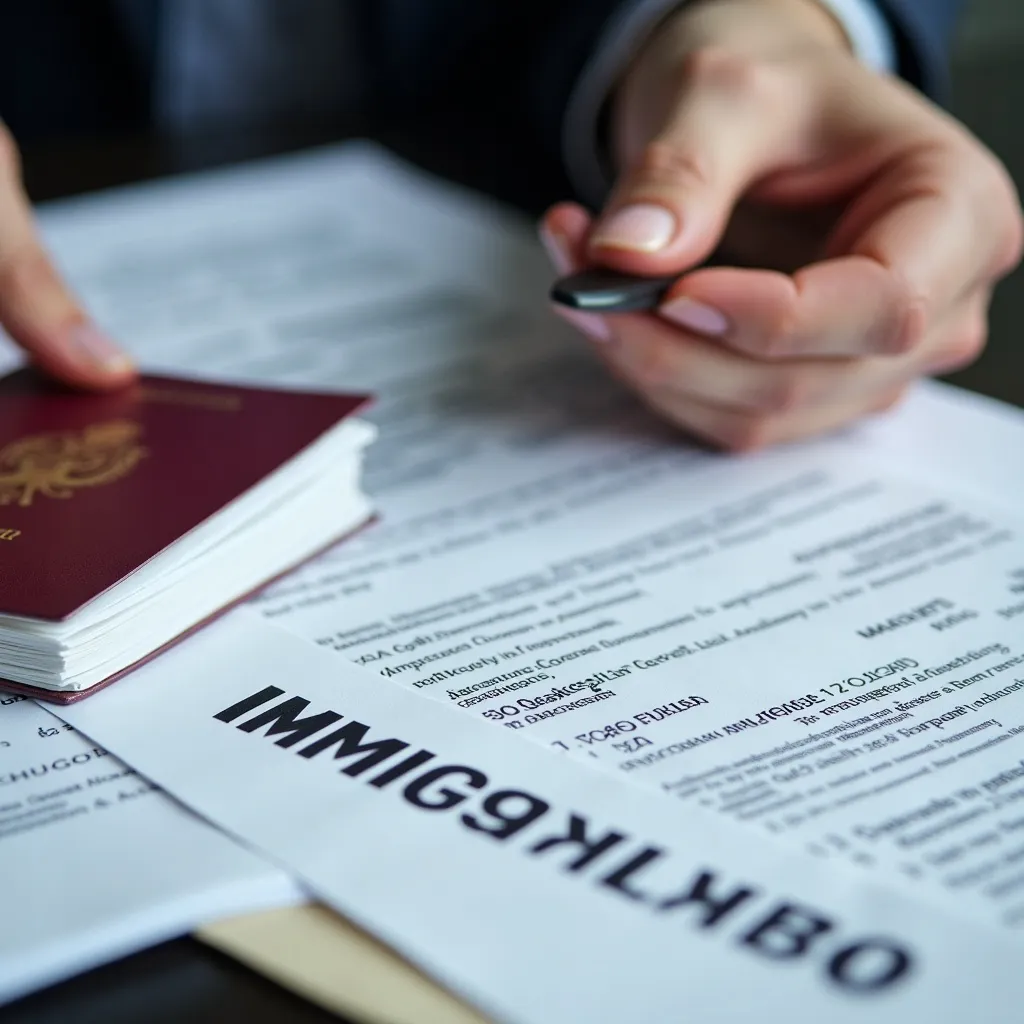
Learning About Immigration Law Services: What to Expect
What should one anticipate when obtaining immigration law support? Individuals often expect a structured procedure that directs them through the challenges of immigration requirements. Initially, a discussion typically aids determine particular needs and conditions. Legal professionals evaluate eligibility for various immigration benefits, ensuring clients get tailored counsel.
Clients should also anticipate a comprehensive overview of pertinent laws and regulations, as well as insights into possible challenges. One key component of immigration legal assistance is the preparation and filing of required documents. Attorneys assist with required evidence and properly completing forms, thereby reducing the risk of delays or denials.
Moreover, prompt dialogue is crucial; clients should anticipate regular updates regarding their case status. Ultimately, effective immigration law services strive to simplify the journey, offering clarity and support throughout the often challenging process of immigration.
Essential copyright Types and Requirements for New Immigrants
Moving through the terrain of immigration can be challenging, especially when identifying the essential categories and requirements for newcomers. Typical categories include family-sponsored, work-related, student, and refugee . Each type has specific eligibility criteria and documentation requirements.
Family-sponsored necessitate documentation of the relationship with a U.S. citizen or copyright, while employment-based demand a job offer and labor certification from an employer. Student necessitate acceptance from a recognized educational institution and documentation of financial support.
Furthermore, refugee are accessible for individuals escaping persecution, demanding extensive documentation to prove eligibility. Candidates must also be conscious of application fees, wait periods, and possible consultations. Understanding these types and their requirements is essential for new immigrants to guarantee a easier transition into their new lives. Proper preparation can greatly improve the probability of a favorable submission.
Choosing the Perfect Immigration Lawyer Suited for You
Making the right immigration lawyer choice requires careful consideration of several key factors. Evaluating their experience and expertise, understanding the charges involved, and examining their method of communicating are key actions in this process. A well-informed choice can greatly determine the final result of an immigration proceeding.
Evaluating Experience And Knowledge
Selecting the correct immigration lawyer may substantially affect the final result of a case, which makes it critical to appraise their experience and capabilities in detail. Potential clients ought to review the lawyer’s background in immigration law, highlighting the amount of cases worked on and distinct areas of specialization, including family-based or employment-based immigration. Analyzing their success rate in analogous cases may give insight into their ability. In addition, analyzing client testimonials and seeking referrals can aid in evaluating their credibility. Checking any professional affiliations or certifications is additionally beneficial, since these often reveal a commitment to keeping up to date with immigration laws. Ultimately, a well-rounded assessment guarantees that individuals select a lawyer capable of maneuvering their specific immigration challenges effectively.
Grasping Law Fees
Comprehending legal fees is an important step for anyone seeking immigration law services. Prospective clients should recognize that fees can vary notably based on factors such as the lawyer's experience, the complexity of the case, and geographic location. Numerous immigration lawyers offer flat fees for certain services, while others charge hourly rates. It is necessary for clients to request a clear breakdown of costs and any potential additional expenses. Transparency in pricing helps avoid unexpected financial burdens. In addition, clients should inquire about payment plans or sliding scale fees, which can make legal services more accessible. Ultimately, understanding these financial components can enable clients to make informed decisions when selecting an immigration attorney.

Examining Communication Behavior
Strong communication is a vital consideration when selecting an immigration lawyer. A lawyer's proficiency to convey difficult legal information in a transparent and accessible manner can greatly impact a client's experience. Potential clients should assess how responsive the lawyer is to concerns and whether they can communicate information in a way that aligns with the client's goals. During first discussions, clients should note the lawyer's interpersonal skills and willingness to address concerns. Effective lawyers not only provide legal advice but also foster a comfortable environment for open communication. Ultimately, choosing a lawyer whose communicative approach connects with the client can lead to a more productive partnership and enhance the overall immigration process. This synchronization guarantees that clients feel educated and assisted throughout their process.
Grasping the Residency Journey
Managing the residency process can be a difficult process, as it includes multiple steps and legal requirements that vary by country. Individuals pursuing residency must first determine the appropriate category, which often relies on factors such as employment, family connections, or humanitarian grounds. Gathering the necessary documentation is critical; applicants typically need proof of identity, financial stability, and health insurance, among other items.
After submission, applications are subject to review, which may consist of interviews or extra inquiries. Timelines can fluctuate substantially, as some countries accelerate processing for certain applicants while others move slower due to backlogs or stringent regulations.
Comprehending local statutes and ordinances is fundamental, as noncompliance can lead to setbacks or refusals. Consulting with immigration legal professionals can deliver understanding and assist individuals in maneuvering this complicated undertaking effectively. Finally, planning and awareness are essential elements in attaining successful residency status.
Steps to Achieve Citizen Status
Achieving permanent residency status requires a straightforward sequence of actions that prospective citizens must follow. This includes understanding eligibility requirements, working through the filing procedure, and preparing for the naturalization interview. Each component plays a essential function in ultimately securing citizen standing.
Eligibility Requirements Clarified
While the route to citizenship may appear intimidating, comprehending the qualification criteria is vital for interested candidates. To qualify for U.S. citizenship, individuals must fulfill a number of criteria. They must be at least 18 years old, hold lawful permanent residency for a minimum of five years, or three years if united with a U.S. citizen. Character must be sound, demonstrated through a clean copyright. Additionally, applicants must show English language proficiency and knowledge of U.S. history and government. Ongoing residence in the U.S. is needed, with absences not surpassing six months during the residency period. By learning these requirements, applicants can better prepare for the next steps in their citizenship journey.
Comprehensive Application Process Assessment
Grasping the naturalization pathway is critical for individuals seeking U.S. citizenship, as every step requires meticulous attention to detail. The undertaking gets underway with completing Form N-400, the Application for Naturalization, which prompts applicants to provide personal information and proof of eligibility. Following application, applicants must pay the required fees and await a receipt notice. Next, biometrics appointments are scheduled to collect fingerprints and photographs for background checks. After processing, applicants obtain a notice regarding their interview, where they must show knowledge of U.S. history and government. Finally, upon approval, applicants take the Oath of Allegiance, cementing their status as U.S. citizens. Each step is essential toward achieving the ultimate goal of citizenship.
Naturalization Interview Coaching
A comprehensive readiness for the naturalization interview is essential for applicants aiming to secure U.S. citizenship. This procedure generally involves several key steps. First, candidates should acquaint themselves with the U.S. government structure, history, and civic responsibilities, as these topics are integral to the interview. Practicing answers to commonly asked questions can enhance confidence and clarity. Additionally, applicants must gather required documentation, including proof of residency and tax records. It is adble to examine the U.S. Citizenship and Immigration Services (USCIS) materials and consider attending preparatory classes or workshops. Finally, applicants should plan to arrive early on the interview day to account for any unexpected delays, guaranteeing a calm and focused demeanor during the interview.
Addressing Regular Immigration Difficulties
Dealing with the intricacies of immigration can be overwhelming, particularly when facing common challenges such as denials, language barriers, and unfamiliar legal processes. Many individuals experience anxiety during the application process, related content often due to insufficient documentation or misunderstandings regarding legal requirements. Language barriers can worsen these issues, hindering effective communication with immigration officials and legal representatives.
To deal with these problems, getting expert support is indispensable. Immigration attorneys can give tailored guidance, enabling applicants learn their rights and responsibilities. Likewise, using translation services can guarantee that language does not obstruct progress.
Getting ready thoroughly for meetings and gathering all necessary paperwork can greatly lower the chances of rejection or delay. By addressing these typical hurdles actively, individuals can traverse the relocation terrain more efficiently, creating the way for successful outcomes in their paths toward lawful residency or citizenship.
Often Raised Questions
What Costs Are With Immigration Law Services?
Expenditures encompassed by immigration law services customarily contain preliminary consultation charges, submission charges, and miscellaneous charges for document drafting or legal representation. Distinctions are contingent on the complexity of the case and the attorney's expertise.
How long Does the immigration procedure generally Take?
The immigration procedure generally takes several years to several months, based on elements like type of application, country of origin, and specific circumstances. Timelines may differ significantly, impacting individuals' expectations and plans throughout the journey.
Can Family Accompany Me While Undergoing the Immigration Procedure?
Yes, household relatives can regularly travel with individuals during the immigration process. Exact requirements depends on types and conditions, but many options enable the inclusion of spouses, children, or other immediate relatives.
What Occurs if My Request Is Rejected?
If a application is declined, the applicant typically receives a formal notice explaining the explanations. They may have options to appeal, reapply, or address issues, depending on the specific circumstances and immigration policy pertinent.
Can You Discover Alternatives to Traditional Immigration Procedures?
Employment-based , investor programs, humanitarian options, and family sponsorship serve as substitutes for conventional immigration routes. Each route offers unique requirements and processes, permitting individuals to investigate multiple pathways for legal residency and citizenship.
Report this page